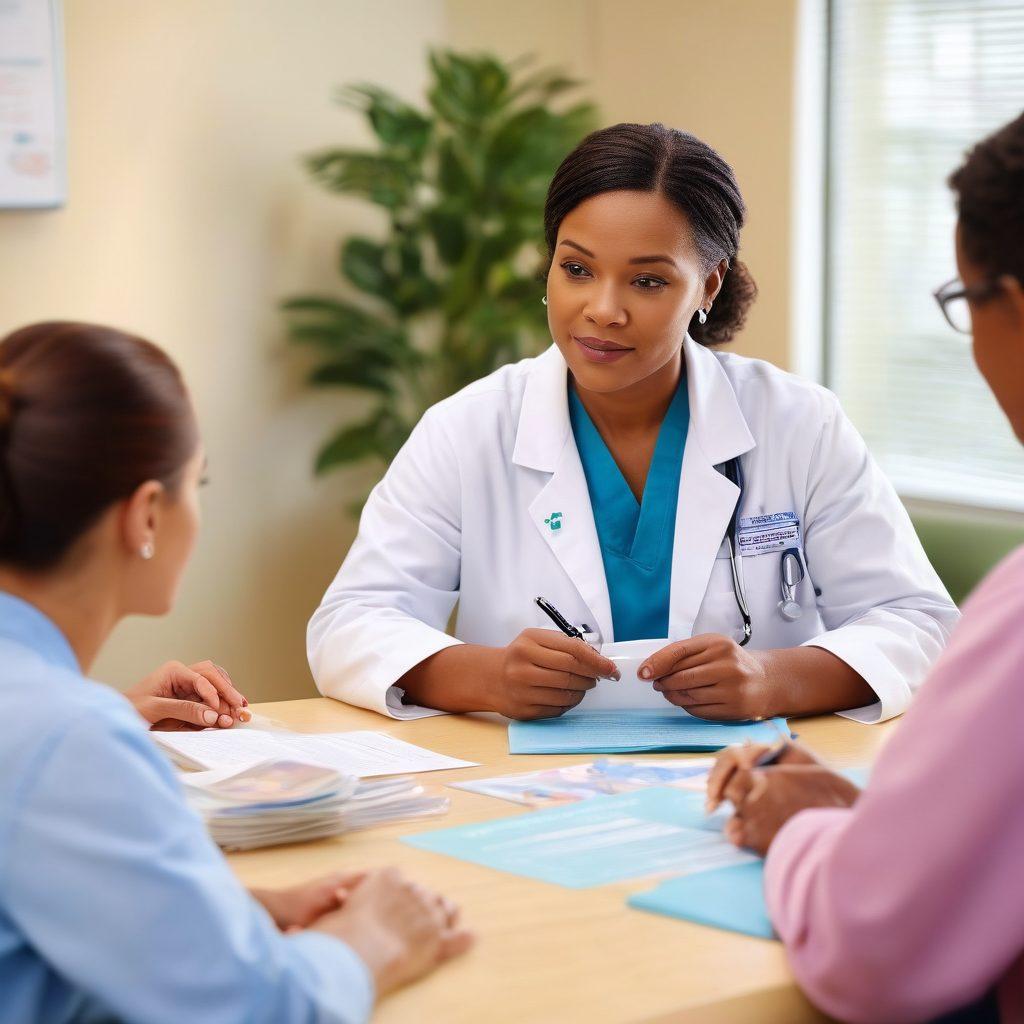
Navigating Cancer Care: Your Go-To Guide for Prevention, Support, and Recovery
When life hands you a cancer diagnosis, finding a way to navigate through prevention, support, and recovery can feel overwhelming. This is where empowerment plays a pivotal role. Understanding that you are not just a passive recipient of care but an active participant in your health journey can transform your experience. As one survivor boldly stated, 'You get to choose how your story is told.' This oncology blog aims to provide you with crucial insights into cancer prevention and wellness, ensuring you feel informed and equipped to make the best choices for your health.
Cancer prevention should be a proactive journey, not just a reaction to a diagnosis. Awash in a sea of cancer information, it can sometimes feel difficult to find actionable advice. What if simply making small lifestyle changes could make a big impact? Holistic health practices, such as adopting a balanced diet, engaging in regular exercise, and managing stress through mindfulness techniques, can be important wellness tips that significantly enhance your overall well-being. Remember, 'Your body is a temple, but only if you treat it as one.'
But what about the support elements in your journey? Connecting with cancer support groups often provides a powerful network of understanding and shared experiences. These communities give voice to cancer discussions that are vital for emotional healing and practical advice. Being part of a group where you can share your fears, triumphs, and questions about medical advice empowers your experience and reinforces your resilience. Have you considered where you might find social support in your wellness education?
In our continuously evolving world of cancer resources and healthcare blog content, it's essential to stay informed about the latest cancer news and medical research. Knowing the statistics, advancements in cancer therapy, and updates on cancer imaging can help you advocate for yourself and your loved ones. Knowledge isn’t just power; it’s your lifeline. Engage with your healthcare provider on these topics; don’t hesitate to ask questions. Remember, 'A good doctor treats the disease; a great doctor treats the patient who has the disease.'
As we focus on cancer recovery, it's important to recognize that healing takes time. Utilize patient education tools to learn about post-treatment wellness tips, explore new hobbies that keep your spirit invigorated, and find joy in small victories. After all, every step you take towards a healthier lifestyle contributes to a brighter future. With each sunrise, you are reminded that 'Hope is the thing with feathers that perches in the soul.' So, empower your journey today by embracing the insights and resources available to you.
Support Systems Unveiled: Finding the Right Resources for Recovery
In the journey through cancer care, one of the most pivotal elements often overlooked is the support system. It’s not just about the medical advice or the latest cancer news; it's about finding the right resources that can truly make a difference in recovery and overall wellness. Imagine standing at a crossroads, burdened by uncertainty, and yet realizing that a helping hand awaits you just down one of those paths. In this oncology blog, we will unveil the importance of robust support systems and how they play a vital role in healing, allowing you to navigate through cancer recovery with conviction and resilience.
Finding the right cancer resources can sometimes feel like searching for a needle in a haystack. Did you know that effective patient advocacy can be the bridge between you and the resources you need? During a time when emotions run high, and questions about cancer therapies or imaging might surge through your mind, turning to a trusted support group can provide not only answers but also a sense of camaraderie. After all, 'When we share our stories, we create a web of understanding that brings us closer together.' How often do we underestimate the power of shared experiences?
Consider this: you’re attending a cancer support group for the first time. At first, you might feel out of place, maybe even reluctant to open up. But soon enough, as someone shares their journey, you realize you’re not alone. You might hear stories of others who found holistic health practices to lessen their anxiety, offered wellness tips that were pivotal during their cancer discussions, or even changed their views on cancer prevention and recovery. These moments of relatability foster an environment where action and healing become possible.
So, how do you go about finding these cancer support groups that resonate with you? Start local! Many healthcare blogs and community centers host meetings, while online platforms may have dedicated forums and resources. Don’t forget to tap into social media; countless groups thrive on sharing insights, tips, and encouragement. The importance of patient education cannot be overstated; it empowers you to make informed decisions about your health with the support of those who truly understand the complex emotional landscape of cancer recovery.
In closing, don't navigate this journey alone. Surround yourself with a solid network of support, whether through friends, family, or community resources dedicated to cancer care. Leverage the wealth of information available about cancer statistics, medical research, and holistic wellness education. Remember, 'In every challenge, there is a chance to bloom anew.' You hold the power to transform your journey with the right tools and support at your side. Embrace the resources available, and let the road to recovery be filled with hope, strength, and shared stories.
Navigating the Oncology Landscape: Essential Tips for Patients and Advocacy
Navigating the oncology landscape can feel like venturing into uncharted waters, especially when faced with the complexities of cancer care. Whether it's the overwhelming amount of cancer information or the myriad of healthcare decisions, patients often find themselves at a crossroads. That’s why having an extensive oncology blog as your guide can be invaluable. Imagine embarking on your cancer journey armed with essential tips, supportive resources, and a community rallying behind you; navigating cancer care can transform from a daunting expedition to a manageable path toward recovery. Are you ready to take charge of your health?
The world of cancer discussion is rich with insights and discoveries. It’s fascinating how far medical research has come, shedding light on various cancer therapies and advancements in cancer imaging. Statistically speaking, we've made strides in cancer prevention and cancer recovery, but the journey involves much more than mere numbers. As a patient, your voice is powerful. How can you amplify that voice to advocate for yourself and others? Uncovering this answer can lead you toward essential wellness tips and advocacy avenues that ensure you receive appropriate medical advice and support.
While embarking on this journey, it’s essential to understand the role of patient education. Knowledge is empowering, but navigating through the sea of cancer resources can be overwhelming. Have you ever felt paralyzed by too many options when choosing a healthcare provider or treatment? An informed patient is better equipped to inquire, seek second opinions, and make educated choices regarding their cancer therapy. Embracing the multidimensional aspect of health and wellness also means diving into holistic health practices that complement traditional treatments. The integration of mind, body, and spirit creates a resilient approach to dealing with cancer.
One crucial element of cancer care that often gets overlooked is the value of community support. Cancer support groups are more than just gatherings; they are lifelines that many patients cling to during turbulent times. Think about it—would you rather navigate your journey alone or surrounded by compassionate individuals who understand your struggles? These support circles foster camaraderie, encouragement, and shared experiences, reinforcing that no one should battle cancer in isolation. Sharing your story can also inspire others, highlighting the importance of patient advocacy in creating awareness, leading discussions, and influencing cancer statistics.
As you navigate the oncology landscape, remember that health insights are readily available, yet the right information often depends on your specific journey. The importance of remaining informed about the latest cancer news, therapies, and resources cannot be overstated. This journey is uniquely yours, with ups and downs. Therefore, embracing both the triumphs and challenges will foster resilience and empowerment as you advocate for your health. Incorporating wellness education, actively participating in cancer discussions, and utilizing available cancer resources will not only enhance your experience but also pave the way for improved health outcomes.